In this example, at 08:15, eight people are waiting for coffee, and chairs are visibly free. First look at where guests have stopped: at the entrance, at tables still being reset, or past the entrance at a buffet station. If you combine these queues, opening extra tables may leave the original wait untouched.
A small hotel can start with a sheet of paper, a clock and two observation points: the dining room entrance and the station where a queue forms. Here is Nadali’s proposed way to examine one breakfast rush. It does not set the room’s permitted capacity, change safety rules or require a new system.
Before the shift: estimate arrivals in 15-minute windows
At a consistent time the day before, note expected hotel occupancy or the total number of guests with breakfast included, if available. An occupied room does not mean one person, and an included breakfast does not guarantee that someone will eat it.
Use a few comparable mornings: the same type of day, similar service hours and similar occupancy. For each 15-minute window, take the median number of people arriving for breakfast. Mark a missing count as “no data,” not zero. Include a confirmed group at its expected time only once. If it is already counted, do not add it again. If the time changes, move only a known group count that is already identified in that morning’s plan. Do not guess at a subtraction from the historical median.
Thompson and Killam’s study for Cornell’s Center for Hospitality Research compared forecasts of diner counts across meal periods at outlets in four hotels. Occupancy data helped in many, but not all, cases. That makes it a useful input to check locally, not evidence for this specific 15-minute method.
During the rush: count seats and queues separately
Agree on a snapshot time and a simple counting rule. At the entrance, tally people arriving for breakfast, not every pass by the host station. Do not add someone who was already in the room and returned for coffee. Keep arrivals, guests already seated and guests still waiting separate. Mark any interruption in counting.
At the same snapshot, record:
- how many seats can be used under the approved layout, how many are occupied and how many tables are still being reset;
- whether a ready table of the right size is available for the waiting party, not just the same number of empty chairs across different tables;
- how many people are waiting to be seated and, separately, how many are waiting at coffee or another named station, where they stopped;
- when the next check took place and what actually changed.
A headcount at one moment does not show how long people waited. Use the same point in the window for each comparison and, when possible, take a second snapshot while the delay is still happening. If you see some guests turn away or leave, record only what you observed; the tally does not measure all unmet demand.
Sheryl Kimes’s study at one restaurant examined two distinct contributors to queues: whether table sizes fit the parties arriving and where service slowed down. It does not set a hotel breakfast standard. Your shift can check both causes separately.
Worked example: 22 expected arrivals and a coffee queue
For 08:00–08:15, four comparable mornings without the extra group recorded 13, 15, 17 and 19 arrivals. The median is 16. This morning a separate group of six, not included in that baseline, is expected in this window. The working estimate is 16 + 6 = 22 guests, not a promise.
In this example, 20 of 40 seats are occupied at 08:00. Over the next 15 minutes, 21 guests arrive and sit down, and nine seated guests leave. Occupancy is 20 + 21 − 9 = 32 seats, so eight chairs are unoccupied. At the 08:15 snapshot, no one is waiting for a table and eight people are in the coffee queue. The two counts happen to match: unoccupied chairs do not increase coffee station throughput. The snapshot cannot tell you what happened in every minute of the window.
On the next comparable morning, the shift lead can test one reversible change: assign someone to replenish clean cups at the existing coffee station at peak time, if observation shows that cups are what run short. If cups are available and the queue still stalls, look for another explanation. If people are waiting for a table, first check how many tables are ready and which party sizes they fit, rather than just the total number of chairs. Change the layout of furniture or equipment only under an approved plan; do not compromise clear routes or safety rules for speed.
After the rush: record one decision
Leave one row for the next shift: window | expected arrivals | actual arrivals | occupied and ready seats | seating queue | station queue | decision | responsible role | next check time. Compare several similar mornings, including whether another queue grew after the change. One snapshot is not enough to judge the result.
This sheet does not need names, room numbers, participant lists, guest photos or camera records. Keep only approved totals; if the context makes a very small group easy to identify, combine the relevant rows before sharing externally or do not share them. If AI is approved for your team, it can help format a blank template or review the wording with practice counts. People still check the arithmetic, observe the floor and make decisions. Nadali reviewed the sources but did not run this workflow in a hotel.
Also read: how to keep and compare forecasts and actual results.
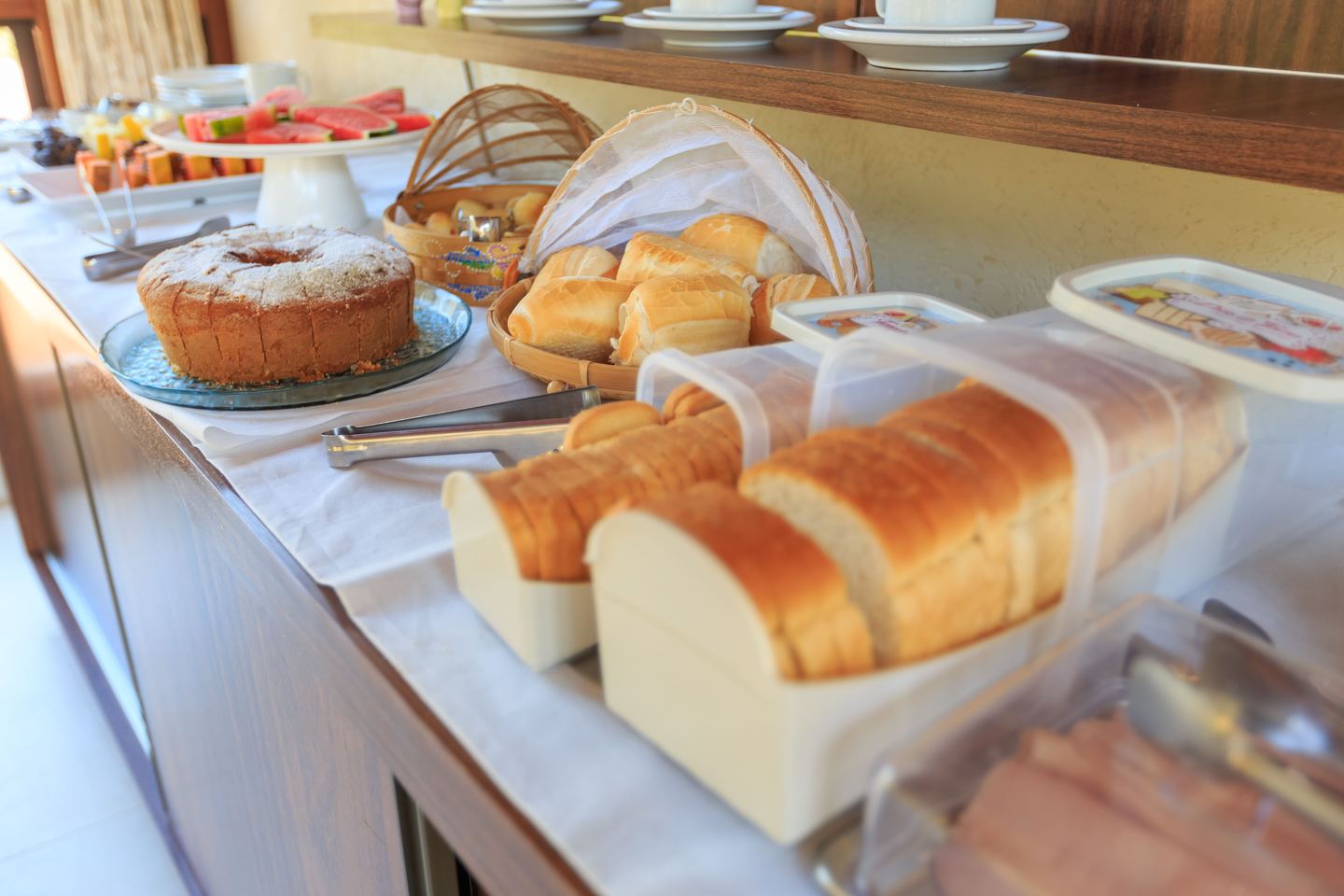
Illustrative stock photo: Matheus Bertelli / Pexels. It does not show the room in the example.
Prepared by the NADALI editorial team using AI.