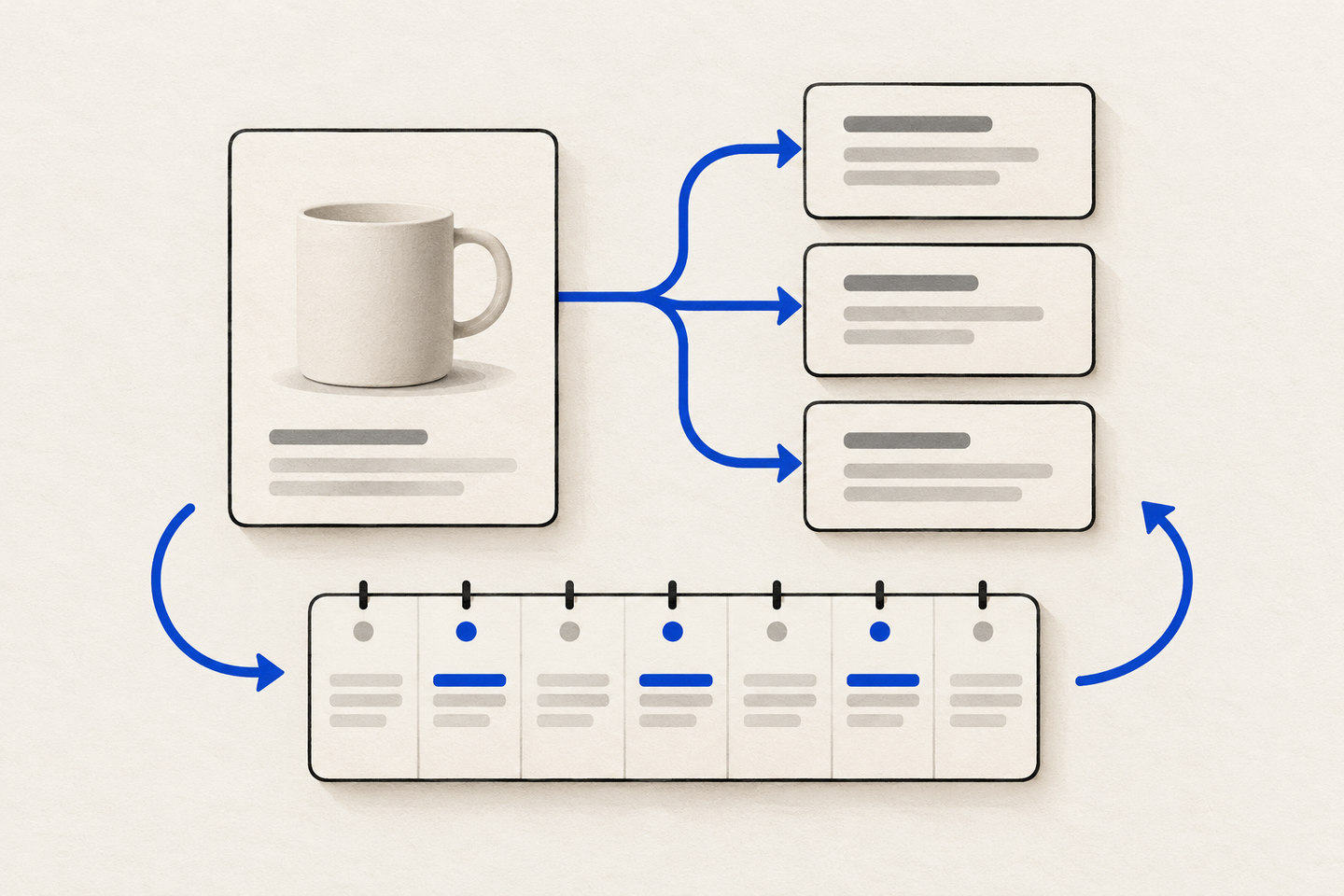
Start with a simple question: what information does this task actually need? An anonymized description can often be enough to prepare an email structure. A complete customer archive does not automatically make a better prompt.
Reduce the inputs
Replace names and contact details with neutral labels. For practice, use a fictional example and label it as such. Check whether the task itself is still understandable.
Removing names does not automatically make data suitable for sharing. An unusual combination of details may still identify a person or company.
Check the tool’s rules
Find out which terms and settings apply to your specific product and account. Do not transfer conclusions about one plan or service to another.
When permissions or terms are unclear, use a teaching example or keep the task manual. For real work, follow the approved policies of your organization.
Agree within your team
Document who can use the tool, what information can be supplied, and who handles questions. Revisit the rules when the task or service changes.
NIST recommends considering context and risks when using AI. Our practical inference is to define information boundaries before starting an experiment. This is a general teaching exercise, not a legal assessment of a specific workflow.