By Nadali. Prepared with AI assistance.
At 22:40, a guest messages that they will arrive after midnight. The receptionist replies, then the night shift takes over. If the message stays in the inbox, the next receptionist may see only a reservation with no check-in. To carry the booking across shifts, hand over more than the arrival estimate: record the hotel’s decision and when someone will check again.
This workflow is for small hotels and guesthouses where a shift handoff or end-of-day close may fall while a guest is still on the way. It does not change booking terms or reception hours and does not authorize holding a room, checking a guest in early, or taking payment.
Separate the guest’s estimate, the hotel’s decision and the system status
Record the estimated arrival with the calendar date and the hotel’s local time, especially when the guest says “after midnight.” This is the guest’s estimate, not an actual check-in. Separately record whether an authorized employee approved holding the room, until when, and on what booking terms. Do not turn “we received your message” into “we will hold your room.”
The third item is the current status in the property management system (PMS) and the business date it uses for operations. In the OPERA Cloud End of Day guide, advancing the business date is a separate step. A booking without a check-in may become a no-show during the close, depending on the process and settings. This is an example from one system. Do not assume your hotel’s status changes at midnight or that a reservation note automatically prevents that change.
Hand over one record, not the whole conversation
Before closing the day, compare reported late arrivals with the current arrivals list. For each exception, make one short entry in the approved shift log or PMS:
- Reservation ID and booked check-in date; if needed, note where to find the message in the approved channel.
- Latest estimated arrival time with calendar date; write “time unconfirmed” if it is unknown.
- The decision, such as “hold until…” or “decision needed,” its owner, and any terms already communicated to the guest.
- Current PMS status and business date, the employee taking over, and the next check time.
Ask the night receptionist to acknowledge that they found the same reservation and know what to do at the checkpoint. Keep the reference and operating facts in the approved system; do not copy the full conversation, documents or card details into an open chat or AI tool.
After day close, find the same reservation again
If the guest arrives or the agreed check time passes, first read the current reservation status. If the system has already marked it no-show, or your role cannot change the record, hand it to the person authorized to handle night exceptions. Do not create another booking, change dates, or take payment to hide a difference between the status and the actual arrival.
OPERA Cloud documents reinstating no-show reservations and says reinstatement moves the arrival date to the current business date while keeping the original departure date. That date must be on or after the current business date. Its reservation settings reference shows that reinstatement after the arrival date depends on configuration. That is a reason to verify the dates, room availability, and hotel rules before a decision, not advice to click Reinstate in every case. An authorized employee handles payment or any change of terms separately.
Rehearse with an invented late arrival
In this practice example, booking T-17 is due on November 24. At 22:40 the guest says they expect to arrive at 01:10 on November 25. The duty manager authorizes a hold until 01:30 under the existing terms, and the night receptionist accepts the handoff. In the exercise, the card shows the reservation as no-show after day close.
The rehearsal passes if the receptionist finds T-17, does not mark the guest as already checked in, escalates the no-show to the authorized employee, and records the next check at 01:30 if the guest has not arrived before then. Run this on paper or in an approved training environment. Do not run a live day close or change actual bookings to rehearse.
Takeaway: before day close, keep one identifiable record for a late arrival, with a decision, owner, and next check time. Close it after confirmed check-in or a recorded disposition under hotel policy, not merely after reading the message. Verify your own late check-in terms, staff permissions and system behavior. Nadali did not run a night audit or test a PMS.
For a separate front-desk check, see how to reconcile an advance payment with a reservation.
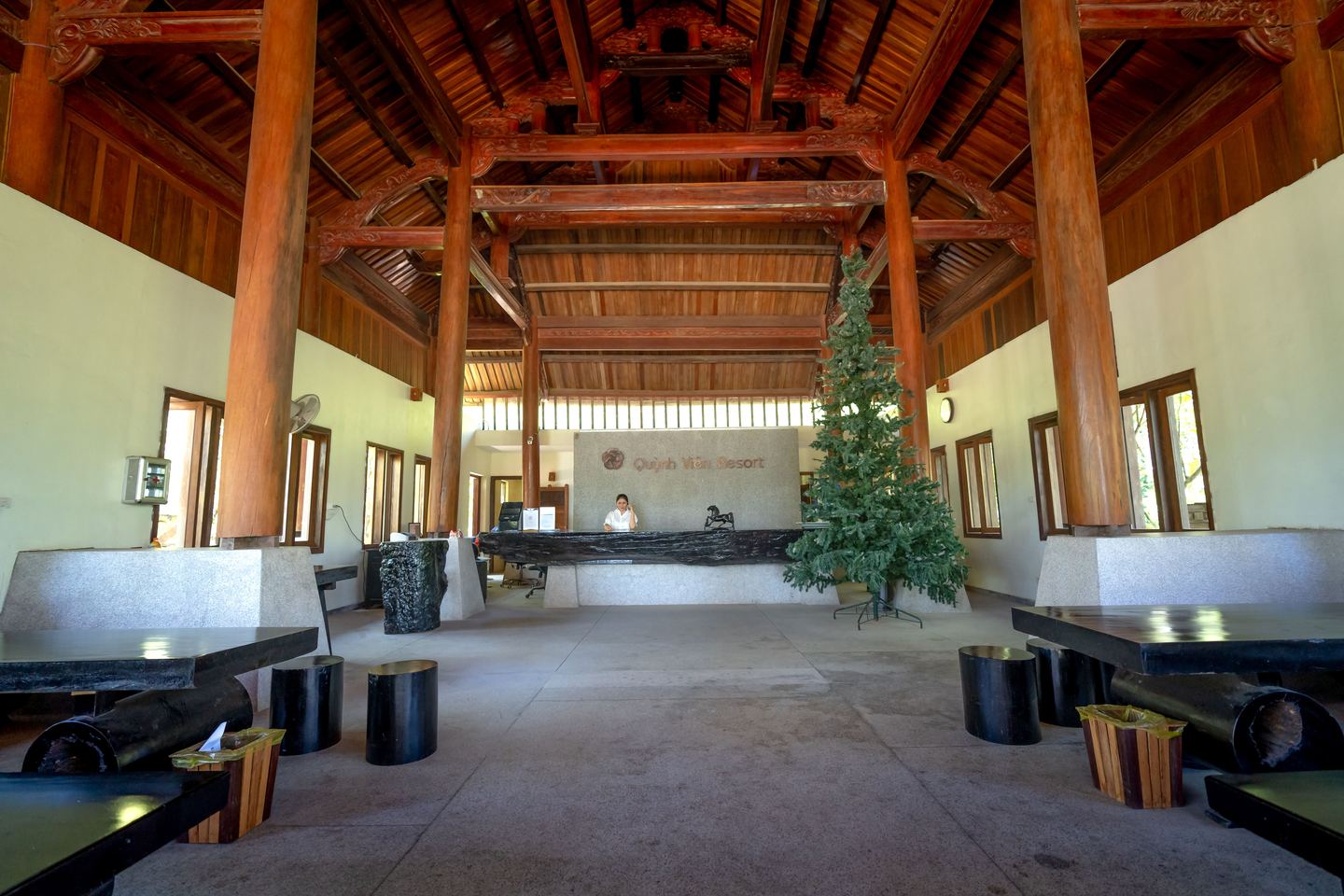
Photo: Quang Nguyen Vinh / Pexels. Illustrative stock photo, not the property in the scenario.