By Nadali. Prepared with AI assistance.
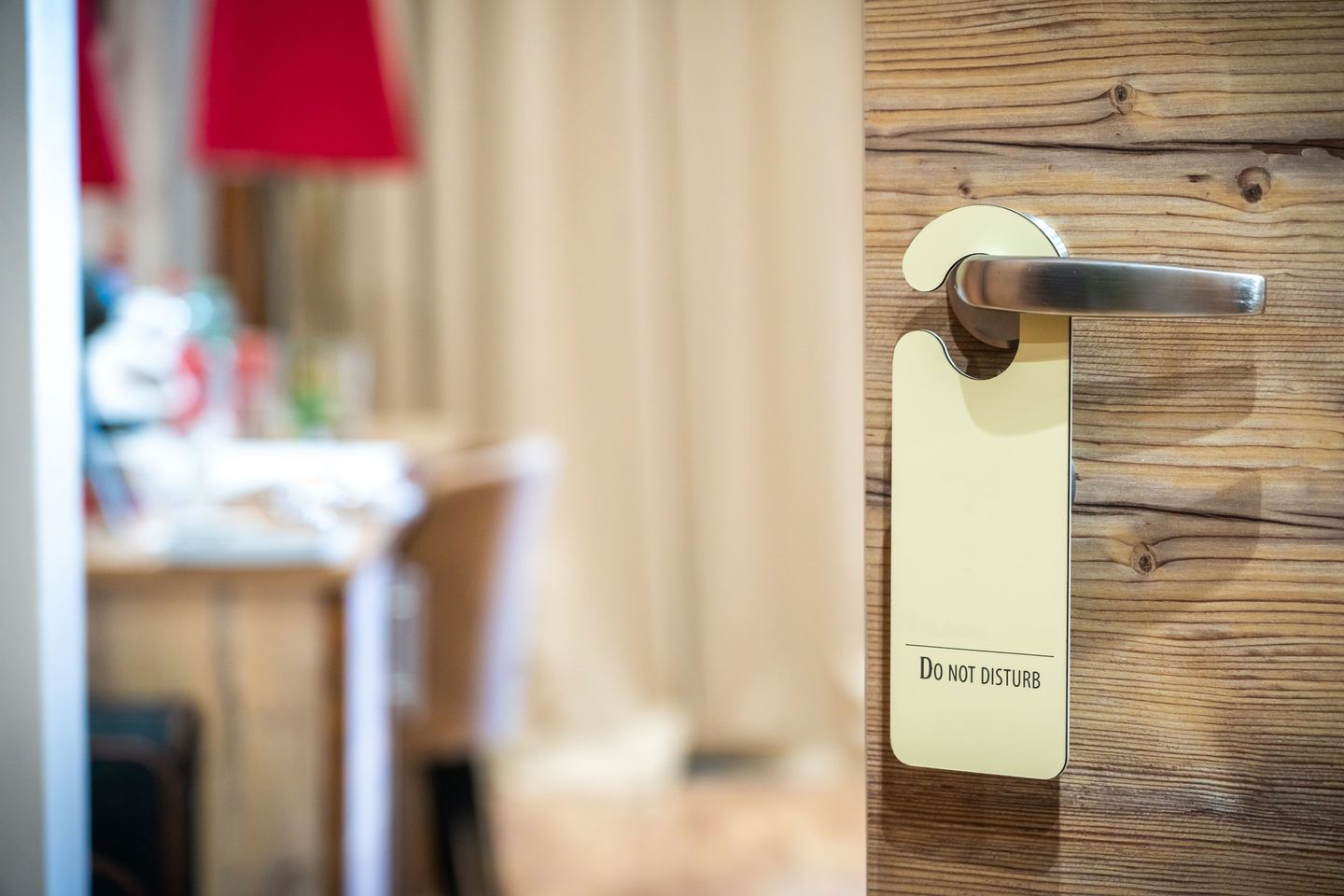
At 10:40 a room attendant sees a Do Not Disturb sign and moves on. At 15:00 the front desk sees only a blank housekeeping cell. Did the guest decline service or ask for a later visit? A blank cell answers neither question.
A small hotel does not need a new system to fix that gap. Record the guest’s preference separately from the outcome, then agree who checks the case and when. This is an editorial template for one shift, not a universal rule for room entry.
1. Record why service did not happen
In the hotel’s approved log, record the room number, local time and how the information was observed or obtained. Distinguish four situations:
- Do Not Disturb. A staff member saw a sign or indicator. That observation is not a decision to decline service for the day.
- Asked for later. The guest gave a time or window. Record the request and separately note whether staff confirmed they could accommodate it.
- Declined housekeeping. The guest gave a direct answer with a clear scope: for example, no cleaning today but fresh towels are still wanted. Do not carry the refusal into tomorrow without a reason.
- No response. The only confirmed fact is the contact attempt. It is not consent, refusal or evidence that the room is empty.
Systems can use different labels or keep some of these details in a note. Oracle OPERA Cloud documentation, for example, describes guest service status separately from the requested cleaning time and says the available statuses depend on the Guest Service Status setting. This is one implementation, not a requirement to use OPERA.
2. Give every exception a next step
The housekeeping lead and front desk agree on who maintains the record, when a later visit or contact through an approved channel is allowed, and who decides what to do if service can no longer be delivered or the shift is ending. Record the next action, its owner and its check time. An internal check time is not a promise to the guest.
The National Council for Hotel Management and Catering Technology training guide, §4.7 distinguishes stayover guests from expected departures and describes logging and checking with the front desk. Its times are examples. Do not copy its hours, contact rules or room-entry instructions: follow your hotel’s approved procedures and applicable requirements.
If the expected checkout time has passed, the front desk verifies whether the guest has actually checked out and passes on the result through the hotel’s process. A scheduled checkout time, silence or a removed sign does not by itself authorise entry. If there is immediate danger, a report of a threat or a reason to be concerned about someone’s safety, involve the designated staff immediately under the hotel’s procedures. Do not wait until a scheduled check or hand the decision to a model.
3. Check the result separately from the preference
Imagine that a guest staying another night has a Do Not Disturb sign on room 214 at 10:40. The lead sets a check for 13:30. Through an approved channel, the guest declines cleaning for that day but asks for two fresh towels at an agreed location. The employee confirms the handoff method, fulfils the request and records the time. Close the case as “housekeeping declined; towels delivered,” not “room cleaned.” If the towels have not yet been delivered, that action stays open.
At the end of the shift, reconcile your records against the housekeeping list. Check separately which rooms were cleaned, where a guest expressly declined, what agreed service is still outstanding and where the answer is unknown. Each open case needs a person who has accepted it, not just a label such as “evening shift.” See also our hotel shift-handover template for open issues.
4. Run a practice round before changing the rules
Give staff four invented records: a sign with no contact; a request for 16:00 not yet confirmed; an explicit refusal with a separate request; and an expected departure past checkout time that the front desk has not verified. Ask two staff members to identify the status, next step and owner independently. Differences show where the instructions need clarification. Do not run this exercise using actual guest records or rooms.
AI is optional. On invented records it can flag a missing time, a missing owner or a “cleaned” entry without evidence. Give the model no access to live records, messaging or locks; it cannot interpret silence or authorise entry. Start with a manual reconciliation and count omitted actions or false closures rather than claiming unmeasured time savings.
Bottom line: the guest’s preference, the contact attempt and the housekeeping outcome are different facts. Make all three visible before closing an exception.
Primary sources checked on 22 November 2026. The example and template are editorial proposals, not results from a hotel trial.